
Creating a Calming Environment for Meditation: Tips for a Peaceful Home Sanctuary
Transform your home into a tranquil sanctuary for meditation with these expert tips on creating a calming environment. From selecting the right location to setting the perfect ambiance with lighting, scents, and sounds, this blog post will guide you through every step of building a peaceful space that nurtures your mind, body, and spirit. Learn how to personalize your meditation area to reflect your unique style and support your mindfulness practice.
MEDITATIONWELLNESSSPIRITUAL GROWTHSELF-CAREHOME DECOR FOR MINDFULNESS
8/26/20243 min read
Choosing the Right Location
Finding a serene and peaceful area within your home is essential for establishing an ideal setting for meditation. The significance of locating a quiet space cannot be overstated; it facilitates uninterrupted focus, deepening the meditative experience. Ideally, the chosen area should be one with minimal distractions. This means selecting a spot away from high foot traffic zones, such as hallways or living rooms, and opting for quieter areas like a designated corner in your bedroom or a secluded part of your apartment.
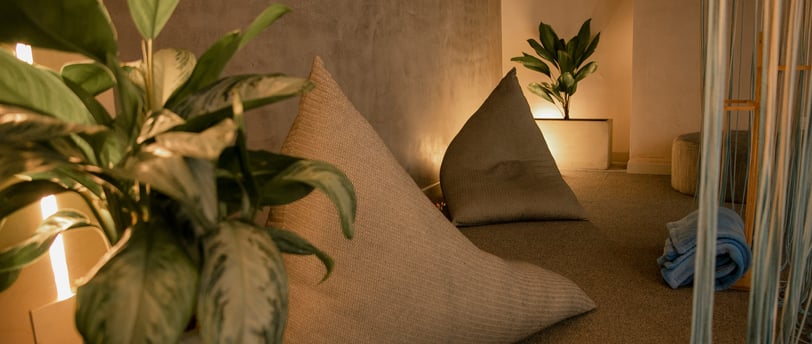
Embracing natural light is essential for cultivating tranquility. Spaces filled with soft, natural light exude warmth and foster a serene ambiance. A room with windows that allow sunlight to gently stream in can elevate your meditation experience. When natural light is scarce, gentle ambient lighting can offer a worthy substitute.
To establish an orderly and peaceful environment, it’s essential to declutter and organize the space. A clutter-free area not only reduces mental stress but also aids in bringing about a sense of calm and order. Begin by removing unnecessary items and keeping the space as minimalistic as possible. Essential items like a yoga mat, meditation cushion, and perhaps a few calming elements such as plants or a small fountain can be included to enhance tranquility.
Consistency in your meditation practice is considerably improved by committing to a dedicated spot. Regularly using the same location signals to your mind and body that it is time to transition into a meditative state. This repeated association reinforces your practice, making it easier to enter a calm and meditative state each time you sit down.
By carefully selecting and preparing your meditation location, you lay a crucial foundation for a successful and consistent practice. Ultimately, the space you create should support a peaceful mindset, be free from distractions, be reflective of your personal style, and be conducive to deep relaxation.
Setting the Ambiance with Lighting, Scents, and Sounds
Creating a serene ambiance is essential for effective meditation, as the environment can greatly influence one’s ability to relax and focus. Lighting is a critical component in establishing such an ambiance. Opt for soft, warm lighting that evokes tranquility and calmness. Consider using dimmable LED lights or Himalayan salt lamps emitting a gentle, soothing glow. Candles are another excellent choice; their flickering flames create a peaceful atmosphere and help center attention. The key is to avoid harsh, bright lights that could be distracting or overwhelming.
Scents play a powerful role in shaping our emotional states and thus significantly enhance the meditative experience. Incorporating calming scents through essential oils, incense, or fresh flowers can create an inviting and peaceful environment. Lavender, chamomile, and sandalwood are popular choices known for their relaxing properties. Essential oil diffusers are an efficient way to disperse these fragrances throughout your meditation space. Another option is lighting incense sticks, which not only fill the room with a soothing scent but also serve as a timer for your meditation session, burning for approximately 30 minutes.
The third pillar of an ideal meditative environment is sound. Sounds can profoundly impact one's ability to meditate effectively. Playing gentle background music or nature sounds, such as flowing water or birdsong, can block out external noise and aid in maintaining focus. If you prefer silence, consider using soundproof curtains or white noise machines to minimize external disruptions. The aim is to create a consistent and controlled auditory environment that supports rather than distracts from your meditation practice.
Collectively, the careful selection of lighting, scents, and sounds creates a holistic environment that fosters relaxation and mindfulness, making your meditation sessions more fruitful and enjoyable.
Incorporating Elements that Nurture the Mind, Body, and Spirit
Remember to create a peaceful environment for meditation to nurture your mental, physical, and spiritual well-being. Choose comfortable seating like cushions, zafus, and yoga mats to support your posture during meditation. Opt for ergonomic seating to relax your body, reducing discomfort and allowing your mind to focus.
Integrating natural elements can elevate the ambiance of your meditation space. Plants, for instance, bring a touch of nature indoors, fostering a sense of calm and enhancing air quality. Incorporating water features such as small fountains can create a soothing auditory backdrop, creating a tranquil atmosphere that supports mindfulness. These natural additions are not merely decorative; they play a crucial role in fostering a serene environment conducive to meditation.
Incorporating personal and meaningful objects into your space helps to enrich your meditation experience. Crystals like amethyst or quartz are often used for their purported healing properties and can act as focal points during your practice. Statues, including those of deities or spiritual figures, offer inspiration and remind you of your spiritual goals. Vision boards, filled with images and affirmations, help manifest your aspirations and motivate you.
Personalizing your meditation space to reflect your individual preferences cannot be overstated. Every element you select should resonate with you, fueling a deeper connection to your practice. Whether it be through specific colors, textures, or scents, tailoring your meditation space to align with your taste will make it a haven for personal growth and inner peace. By incorporating these thoughtful elements, you create an environment that nurtures the mind, body, and spirit, thus enhancing the overall quality of your meditation sessions.